Design Leadership
Leadership Lessons from Formula 1: Driving Success in Product Design
What Formula 1 racing teaches about no-blame culture, continuous improvement, and building teams that perform under pressure.
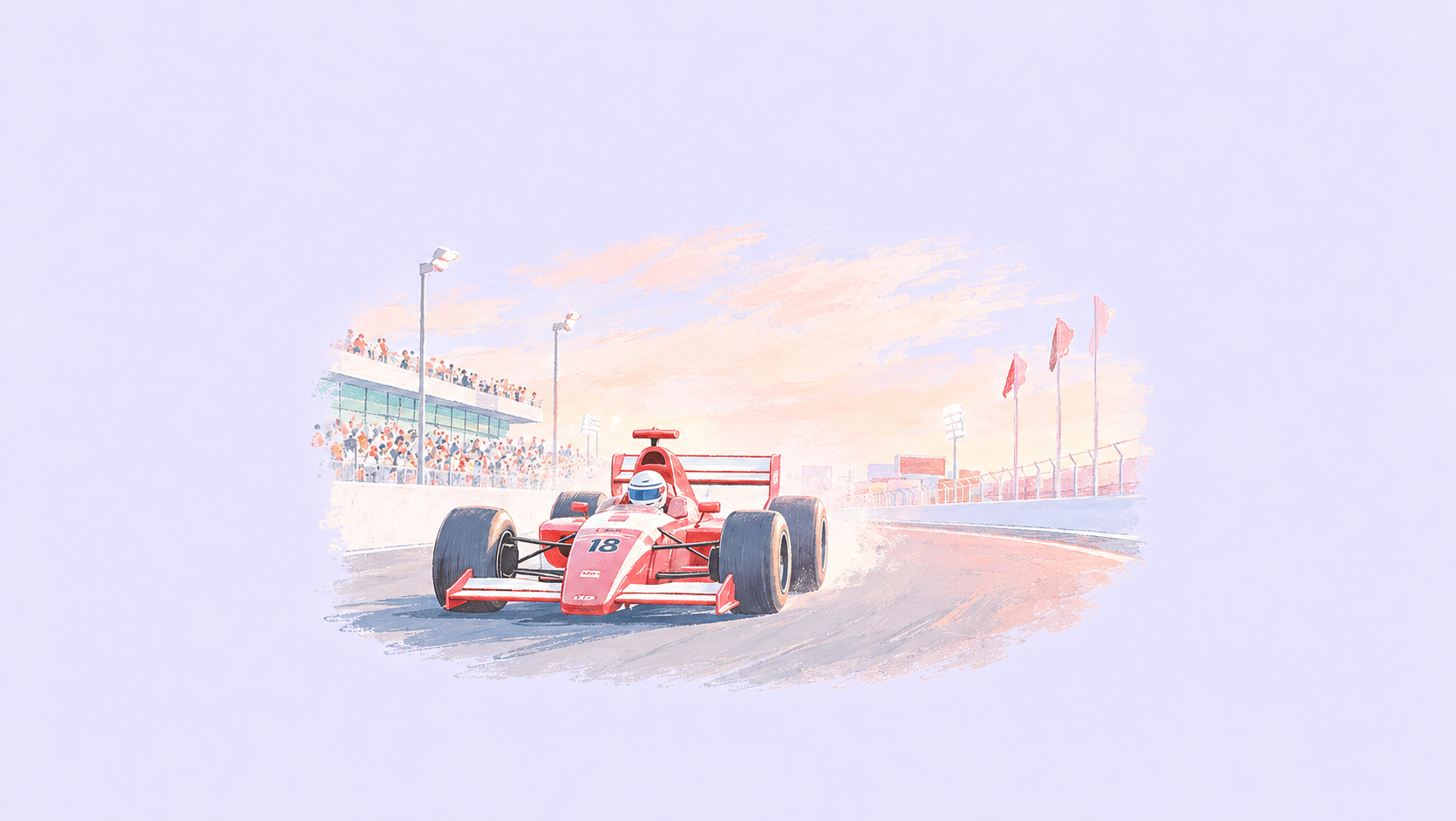
Formula 1 is one of the most unforgiving performance environments in the world — thousandths of a second matter, mistakes can be catastrophic, and the teams that win consistently are distinguished not just by technical excellence but by how they manage failure, learning, and pressure.
Foster an Open, No-Blame Culture
Mercedes-AMG Petronas under Toto Wolff is a study in how a no-blame culture creates competitive advantage. During the 2018 German Grand Prix, a pit stop error dropped Lewis Hamilton to 14th on the grid. Rather than punishing the crew, Wolff directed the team to analyze the failure and improve their processes. Hamilton went on to win.
- Encourage transparency — make it safe to surface mistakes early, when they're still fixable
- Focus on learning — treat errors as process data, not personal failures
- Build trust — teams that support each other through mistakes perform better under pressure
Embrace Continuous Improvement
Red Bull Racing's relentless development cadence through the 2021 championship season demonstrates that incremental gains compound. A revised rear wing here, a refined aerodynamic package there — each change small, the aggregate transformative.
- Iterative development — small, frequent improvements beat infrequent overhauls
- Data-driven decisions — race telemetry guides every engineering choice; user data should guide yours
- Adaptability — the ability to deploy new approaches rapidly separates champions from contenders
"Championship-winning teams aren't the ones that make no mistakes. They're the ones that learn from them fastest."